


Heat, air conditioning, more frequent showering and low-humidity travel all increase transepidermal water loss, or TEWL: the continuous process by which skin releases moisture into the surrounding air. It's why skin can feel comfortable in the morning and dry, tight or dull by evening, and what actually helps.
Dry skin and dehydrated skin are often treated as a winter concern. Summer brings its own combination of pressures: higher temperatures, more sun exposure, more frequent showering, air-conditioned interiors, and low-humidity aircraft cabins. These conditions can affect the skin barrier and change how much water is retained in its outermost layers.
What is transepidermal water loss?
Transepidermal water loss (TEWL) is the natural, continuous release of water from the body's deeper tissues, through the epidermis, and out through the skin's surface. It never stops, and it isn't meant to. The aim of skincare isn't to prevent TEWL entirely, it's to help the skin regulate it well.
The principal barrier controlling this process is the stratum corneum, the outermost layer of the epidermis. It's often compared to a brick wall: flattened skin cells form the "bricks," while an organised mixture of ceramides, cholesterol and fatty acids forms the lipid-rich "mortar" around them. Together, these structures retain water within the skin while limiting how easily external irritants get in.
When the barrier is working well, moisture loss stays controlled. When its structure is disturbed, water passes through more readily and dryness, tightness and discomfort become more likely.

Why does skin feel drier in summer?
Summer doesn't automatically cause dry skin, and the relationship between season and TEWL is genuinely complex; temperature, humidity, airflow, sweating, the specific area of skin and individual skin condition all plays a part. But several conditions that become more common in summer can challenge the barrier and contribute to moisture loss. The distinction that matters is solubility: humectants are water-soluble and work by drawing moisture into the skin, while emollients and occlusives are oil-soluble and work by filling gaps between cells and sealing that moisture in, rather than adding to it.
Does heat and sun exposure dry out skin?
Heat increases evaporation from the skin's surface. Perspiration can make skin feel temporarily damp, but that isn't the same as the stratum corneum retaining oil soluble moisture effectively.
UV exposure is a separate issue. Excessive exposure can impair barrier function by disrupting the organisation of skin lipids and the structures that regulate movement between epidermal cells, making it harder for skin to control water loss. Skin can look warm or luminous after time outdoors while becoming more vulnerable to dryness underneath.
Does air conditioning dry out your skin?
Yes. Air conditioning creates a cooler, lower-humidity indoor environment, and extended time in air-conditioned offices, shops, hotels or transport can reduce water content in the outer layers of skin, leaving it feeling tight, rough or less supple. Additionally the constant breeze from electric fans can cause skin dehydration at the surface level as the moving air accelerates evaporation. The repeated shift between outdoor heat and cooled indoor air also asks the skin to keep adjusting to changing temperature and humidity all day.
Does showering more often affect your skin barrier?
It can. Summer often means showering more; after commuting, exercise, swimming, or simply the heat. Water temporarily increases moisture at the skin's surface, but prolonged exposure, particularly to very hot water combined with strong cleansers, friction and towel-drying, can disturb the organisation of the stratum corneum. Skin can feel clean immediately afterwards, then lose moisture more readily as it dries, without the right barrier support.
Does hard water make summer skin worse?
For anyone in a hard-water area, London included, the mineral content in tap water can compound the effect of frequent showering on TEWL as the minerals react with soap leaving a dry layer on the skin. On top of heat and air conditioning. It's one more reason city-based routines benefit from a barrier-supporting step straight after washing, rather than relying on water alone to leave skin comfortable.
Does flying dry out your skin?
Aircraft cabins are particularly low-humidity environments. Over a longer flight, this can reduce moisture in the skin's outer layers and leave it noticeably drier on arrival. The effect is linked to low cabin humidity rather than cabin pressure, which is why skin can benefit from extra barrier support before, during and after travel.
Should you use a heavier moisturiser in summer?
Not necessarily. When skin feels dry, the instinct is often to reach for the richest cream available. But summer skin doesn't need more weight, it needs effective barrier support in a format that stays comfortable in warmer conditions.
Moisturisers generally work through three mechanisms. Humectants attract and hold water within the skin. Emollients smooth and soften the spaces between cells. Occlusive ingredients form a surface layer that slows evaporation. Many ingredients do more than one of these jobs at once, and the most effective routine is simply the one that reduces moisture loss and fits into daily life. In summer, that often means a lightweight formula applied after showering and absorbed before dressing, rather than a heavier texture that feels uncomfortable in the heat.
How do oils support the skin barrier?
The stratum corneum depends on an organised mix of lipids to hold its structure and regulate water loss. Emollient oils reinforce that surface environment by filling the spaces between skin cells, smoothing roughness and forming a fine layer that slows evaporation without coating skin in a heavy or greasy film.
Olive-derived Squalane has a structure similar to components already present in the skin's own sebum, so it's readily accepted by the skin. Lightweight Shea Butter Esters give the emollient benefit associated with shea butter in a more fluid, faster-absorbing form. Apricot Kernel Oil is rich in gamma-linoleic acid (an Omega-6 fatty acid) that helps protect the skin barrier and reduce water loss, while Poppy Seed Oil helps maintain the skin's moisture, softness, and elasticity.
A lighter approach to summer moisturisation
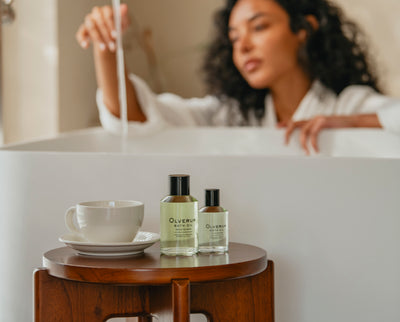
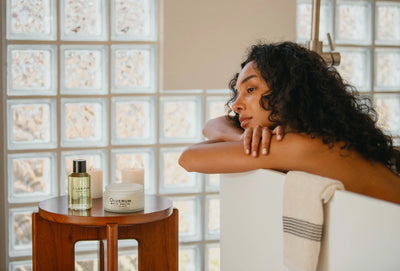
Olverum Dry Body Oil combines more than 30 botanical oils and extracts; among them Apricot Kernel Oil and Poppy Seed Oil, alongside olive-derived Squalane and lightweight Shea Butter Esters. Vitamin E and Rosemary Leaf Extract add a further layer of defence against environmental stressors like UV and pollution, which matters as much in the city as it does on holiday.
The fast-absorbing formula supports the skin barrier and helps reduce moisture loss, leaving skin soft and comfortably moisturised with a satin finish rather than a greasy residue.
Apply to damp skin straight after showering, working in upward strokes towards the heart, to help lock in moisture as surface water begins to evaporate. Reapply whenever skin feels dry or tight, morning, evening, or in between. Because TEWL never stops, barrier care works best as an ongoing habit rather than a response saved for visibly dry skin.
Summer skin doesn't need more weight. It needs moisture that keeps pace.
Frequently asked questions
When should I apply body oil for the best effect? Straight after showering, while skin is still slightly damp, applied in upward strokes towards the heart. This helps trap surface moisture before it evaporates, rather than moisturising dry skin after the fact.
Why does my skin feel dehydrated in the summer? Summer introduces its own set of pressures on the skin barrier. Heat, UV exposure, more frequent showering and time in air-conditioned spaces; that can all increase transepidermal water loss, even though the season isn't traditionally associated with dryness.
Is oil or cream better for skin in summer? Neither format is automatically better, what matters is barrier support in a texture that suits the weather. A lightweight, fast-absorbing oil can deliver the same humectant, emollient and occlusive benefits as a heavier cream without feeling uncomfortable in the heat.
Does air conditioning dry out your skin? Yes. Air conditioning lowers indoor humidity, which can reduce water content in the outer layers of skin and leave it feeling tight or rough, especially over a full working day.
Can flying affect your skin? Yes. Aircraft cabin air is very low in humidity, and longer flights can measurably reduce moisture in the skin's outer layers, leaving skin drier on arrival. This is linked to cabin humidity, not cabin pressure.


